 Board Portal
 Board Performance
 M&A & Transactions





 Board Management Software
 Customer stories
 Insights
 Events & Webinars
 Security & Privacy
 Product updates






 Login
 For M&A advisors, international reach only matters if it helps you get deals done. That is where Oaklins’ model comes into play.
With around four decades of experience, approximately 900 professionals across 65 offices and a presence in around 45 countries, Oaklins combines international reach with deep local market knowledge. Its offices are separately owned but collaborate closely on cross-border assignments. This gives clients access to local senior decision-makers, market intelligence and sector specialists across the network, with one coordinated advisory.
For mid-market transactions, that combination can make a real difference. Whether it is identifying the right international buyers, reaching their decision-makers or navigating cross-border complexities, Oaklins can combine local relationships and sector knowledge with proactive execution.
"You have the local knowledge and networks all around the world in the mid-market," Managing Partner, Nikolai Lunde explains.
For a client, the value is not simply the size of the network. It is the ability to put the right Oaklins colleagues to work on an assignment: people who know the sector, understand local buyer dynamics and can open a direct dialogue with the relevant decision-makers. That combination can help create stronger buyer interest and competitive tension.
There is no single formula for a successful transaction, but Oaklins combines international buyer access with thorough preparation, decisive execution and the judgement needed to navigate complex situations.
The M&A Process Has Changed Dramatically
Nikolai has had a front-row seat to the digital transformation of M&A. His early career included something that younger M&A professionals may find difficult to imagine today: the physical data room.
In one transaction, he recalls a room containing around 40 folders, with two or three copies of each. Around a dozen lawyers and advisors were physically present, working through the documentation. That was the data room.
There was no logging in remotely. No instant search. No permissions managed with a few clicks. No automated record of who had accessed which document. If you needed a document, you physically found it. If another advisor was using it, you waited. And if someone wanted to review information, they had to be in the room.
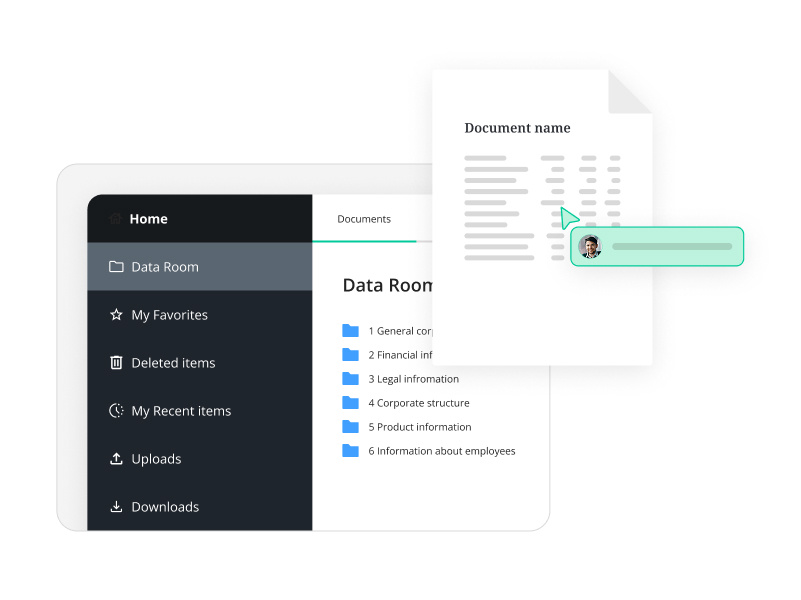
Now, instead of gathering everyone around a table of filing cabinets, the transaction can be organised in a virtual data room.
The Six-Month Preparation Nobody Expects
One of the most important lessons for business owners, and one that M&A advisors should emphasise early, is how much work happens before the transaction officially starts.
For an owner who has never sold a business before, a structured preparation period of several months can be surprising. But much of the work needs to happen before buyers start reviewing the company.
Because the quality of the preparation can have a significant impact on the transaction itself. Good preparation gives the seller time to identify weaknesses, gather documentation, address inconsistencies and understand the company's own financial and operational story.
It also allows the advisor to identify potential issues before a buyer discovers them. That distinction is crucial. A problem discovered internally can potentially be fixed, a problem discovered by a buyer during due diligence can become a negotiation point, and a surprise discovered by a buyer can weaken the seller's negotiating position and put the transaction at risk.
Preparing The Seller Is Also a Form of Risk Management
One of the most valuable aspects of the preparation process is that it forces owners to step outside the business and look at it objectively.
An owner may know exactly why their company works so well. They know their customers, understand their products inside and out, and have a strong feel for the market. Much of this knowledge comes from years of experience and knowing the business instinctively, rather than from things that are written down or easy for someone else to see.
If a company’s success depends heavily on the founder’s relationships, knowledge or day-to-day involvement, a buyer may see that as a risk. The same goes for a business that relies too heavily on one customer, a small number of products, or revenue in several different currencies. A buyer will want to understand how stable these areas are and whether they could affect the company’s future performance.
The owner may already know all these things. The question is whether they have assessed them from the buyer's perspective.
What Are You Actually Making Money On?
Nikolai gives a simple example that illustrates the importance of stepping back from the business.
Consider a product company with dozens or hundreds of products. The company may have a healthy overall margin, but which products actually generate that margin?
Which are highly profitable? Which are barely profitable? Which are loss-making? And which are strategically important even if their direct margins are relatively low?
Owners often have an intuitive sense of the answers, but buyers want the numbers. A sophisticated buyer will want to understand the underlying economics of the business, not simply the headline revenue and EBITDA.
Sellers should be ready to explain what is driving their financial performance and what is behind the numbers. The same applies to their customers, suppliers, geographic markets and exposure to different currencies.

The Uncomfortable Benefit of Preparing to Sell
There is an interesting paradox in all of this. Some business owners go through the preparation process and become so much more aware of the strengths and weaknesses of their business that they reconsider whether they want to sell at all.
Nikolai has heard owners say, in effect:
"I've learned so much about my own company that now I almost don't want to sell it." A good M&A advisor should not simply push a seller toward a transaction. The advisor's role is to help the owner make an informed decision. If preparation reveals that the company has significant unrealised potential, perhaps the right decision is to keep growing it for another few years.
What Owners Cannot Always See Themselves
There is another reason preparation matters: proximity creates blind spots. When you have spent 20 or 30 years building a company, certain things become normal.
You may not notice that a key process depends on one employee, how much important knowledge sits in the founder’s head, or that an unusual customer contract exists simply because “that’s how we’ve always done it.” You may also see a particular product line as essential because it has been part of the business for years. An external buyer; however, does not have that same history or context and is likely to look at these things very differently. They see risk.
That doesn't mean the buyer is right and the owner is wrong. It means the two parties are looking at the same business through completely different lenses.
Part of Oaklins’ job is to present the company in terms international buyers can assess, while anticipating their concerns and actively addressing obstacles before they affect value or deal momentum.
The Transaction is Expensive, But So is Getting it Wrong
Modern M&A processes can involve a large number of advisors and specialists, which can sometimes make the process feel more complicated than it needs to be for a business owner. But there is a good reason for it: the value at stake is often enormous, and when a company is being sold for hundreds of millions, even seemingly small issues can have a significant impact.
A contract clause that once seemed unimportant could affect the valuation, a high dependence on one customer could change the buyer’s view of risk, and an unclear ownership structure could create legal complications. Weak financial reporting can make it harder to verify the company’s performance, while a heavy reliance on the founder may raise questions about how the business will operate after the sale. The advisory team’s role is therefore not simply to add more layers to the process, but to help identify these issues early, answer the difficult questions and ultimately reduce uncertainty for everyone involved.

The Principles Behind Successful M&A
The experience of Oaklins’ advisors points to several practical lessons.
-
Start preparing before there is a buyer: A seller should ideally begin preparing well before going to market. The earlier issues are identified, the more options the seller has.
-
Teach the client what the process actually involves: One of the biggest mistakes an advisor can make is making the transaction sound easier than it is. Telling a business owner "don't worry, we'll take care of everything" may feel reassuring. But it can create problems later. Clients need to understand what will be expected of them, how much time the process will take, and why the preparation matters.
-
Look at the business through the buyer's eyes: Owners naturally focus on what makes their company successful. Advisors need to ask a different question: What could make a buyer nervous?
-
Don't confuse negotiation with value creation: Getting the other side to concede another percentage point may feel like a victory. But the best outcome is one that creates sustainable value for the client while preserving enough trust to actually close.
-
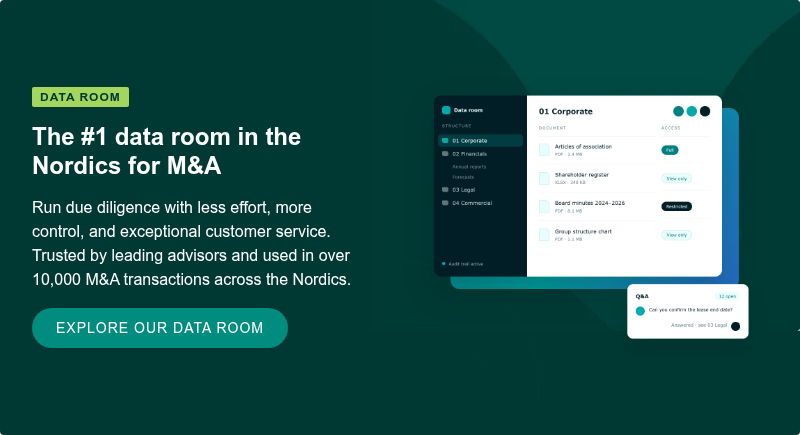
Use technology to make complexity manageable: When multiple advisors, countries, workstreams, and thousands of documents are involved, secure digital collaboration becomes essential.
- Remember the human side: Perhaps the most important lesson is the simplest. Behind every transaction is a person. For a founder or family owner, selling a company can mean letting go of something they have spent decades building. That requires more than technical expertise. It requires empathy, communication and trust.
M&A Market Trends in 2026
The first half of 2026 shows that Norway’s M&A market remains resilient, even after the exceptional activity seen in 2025. While overall transaction volumes have moderated, buyers are becoming more selective and increasingly focused on companies with strong competitive positions, clear strategic value, and solid long-term prospects.
One of the most notable developments is the 64% increase in outbound acquisitions by Norwegian companies compared with the average first-half activity between 2021 and 2025, highlighting a growing appetite for international expansion, capability building and consolidation. Private equity also continues to play a major role, participating in nearly half of acquisitions involving Norwegian companies, while strong cross-border interest underlines the continued appeal of high-quality Norwegian businesses.
Why the Right Data Room Matters
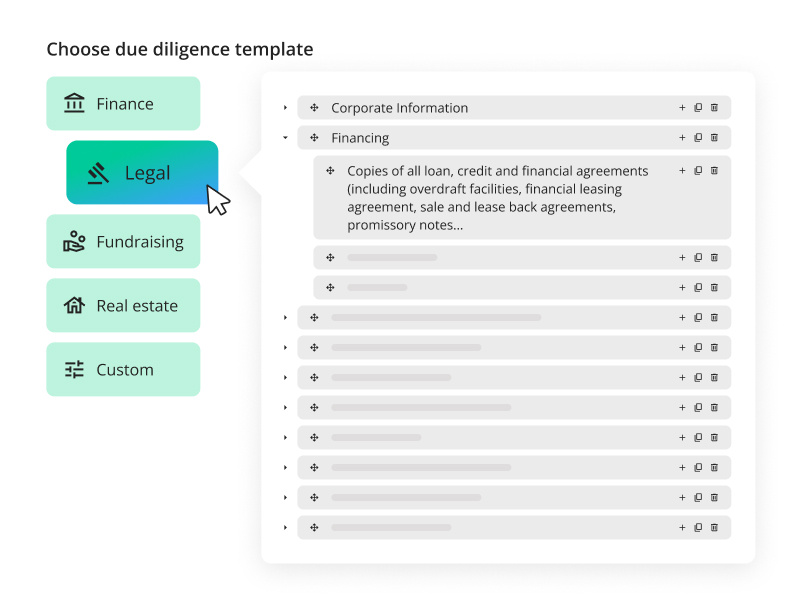
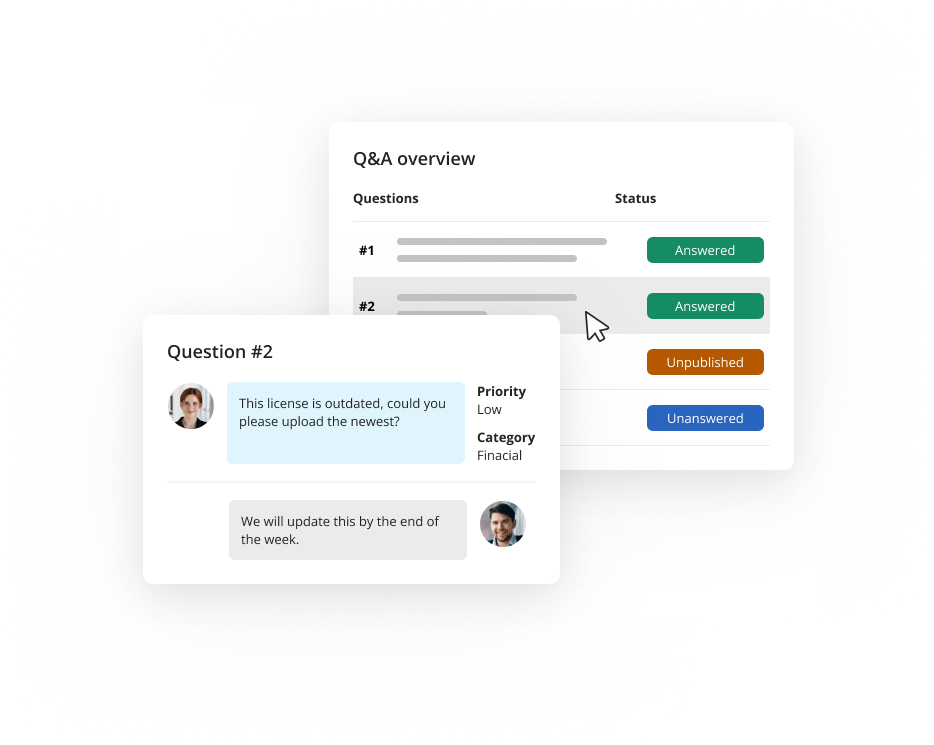
When a transaction involves multiple advisors, buyers, lawyers and specialists, the last thing an M&A advisor needs is technology that makes the process harder. The data room should simply make it easier for everyone to find the right information, work together and keep the transaction moving.
That is one of the reasons Oaklins continues to use Admincontrol. Having worked with several data room solutions throughout his career, Nikolai highlights three things that stand out: reliability, usability and predictable pricing.
"We trust them. We trust Admincontrol," he says.
For Nikolai, the value is in the simplicity. The platform is intuitive, documents are easy to locate, and users can get on with their work without having to navigate a maze of unnecessary features. In a transaction where dozens of people may need access to the same information, that simplicity can make a real difference.
After years of using data rooms across different transactions, Nikolai is clear about where he stands when asked if he would recommend Admincontrol to another M&A advisor: "Of course I would recommend it."
For him, good technology should never become the focus of the transaction. It should work quietly in the background, helping everyone stay organised and giving advisors more time to focus on the parts of the deal that really require their expertise: managing complexity, maintaining momentum and bringing the transaction over the finish line.
Ultimately, Oaklins’ strength lies in combining global reach with local expertise and committed execution. The objective is not simply to identify buyers, but to reach the right decision-makers, create genuine competition and pursue the best possible outcome for the client—relentlessly, while remaining pragmatic about how to get there.