
 Boards & Governance
 M&A & Transactions







 Board Management Software
 Customer stories
 Insights
 Events & Webinars
 Security & Privacy
 Product updates







 Login

An effective board has five things in common: a broad mix of skills, a composition that keeps evolving, a habit of reviewing its own performance, digital ways of working that cut out admin, and a long-term view on succession. Boards that review themselves regularly and act on the results are best placed to keep strategy, risk and shareholder expectations in balance.
Board effectiveness is not a given. In a 2021 c-suite survey by PwC and The Conference Board, most executives felt their board understood its core responsibilities, yet confidence in its effectiveness was low: nearly 90% said one or more directors should be replaced, and only 29% rated the board's overall performance as excellent or good.
This guide explains what a board does, the five elements that make a board effective, and practical steps to improve board effectiveness.
What does a board of directors do?
A board of directors is the governing body of a company. Directors are appointed or elected to safeguard shareholders' interests, set the company's strategic direction, oversee management and make sure the company meets its legal and financial obligations. The board supports and challenges the CEO, who leads the management team day to day.
The core responsibilities of board members include:
- Setting strategy and the structures needed to deliver it
- Overseeing financial performance and being accountable to shareholders
- Overseeing executive management, including appointing and evaluating the CEO
- Defining the organisation's mission, values and risk appetite
As the Institute of Directors points out, boards must balance prudent risk-taking with sound judgement on how the company develops. An effective board creates a framework for growth, delegates to senior management where appropriate and keeps sight of the bigger picture. Legal and cultural board models vary across Europe, but the most effective boards share the same core characteristics.
The board must simultaneously be entrepreneurial and drive the business forward while keeping it under prudent control
Institute of Directors
What are the 5 elements of an effective board?
- A diverse skill set
- An evolving board composition
- A culture of regular performance review
- Digital tools that remove admin
- A long-term view on succession
1. A diverse skill set
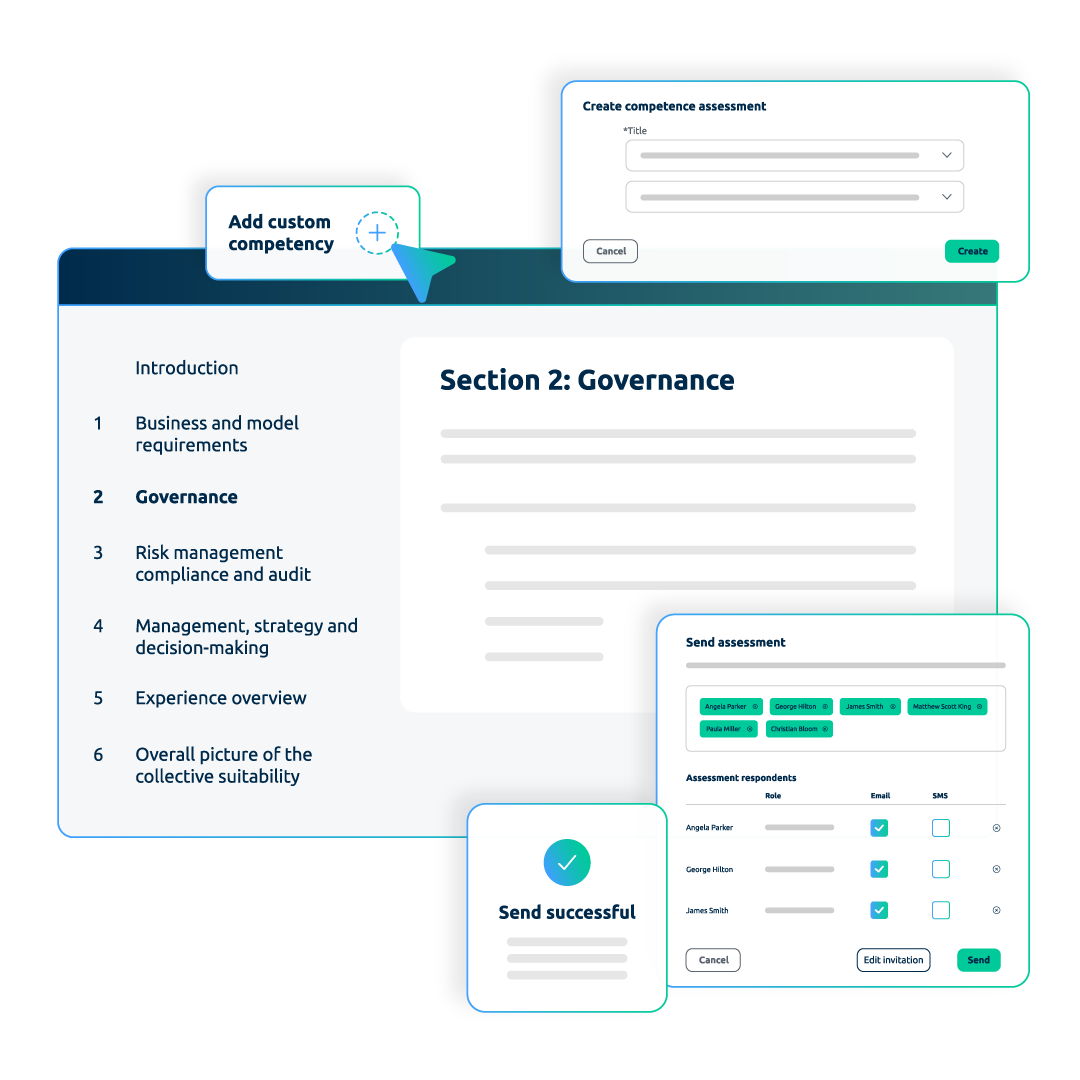
The skills and experience of individual directors are among the biggest drivers of board success. Board roles should reflect the organisation's values, interests and strategic priorities. A board skills assessment is a structured way to map the skills the board has against the skills its strategy needs.
Financial literacy
Guiding financial performance matters for listed and privately held companies alike, and non-profits need to sustain fundraising to secure their future. Whatever the structure, directors who can read financial statements and budgets accurately are better at predicting outcomes, assessing risk and avoiding decisions that erode long-term value, such as excessive debt, poorly judged acquisitions or choices that limit growth.
The stakes are personal too. In most jurisdictions, directors can be held personally accountable for errors of judgement as well as for deliberate financial wrongdoing. Every board member needs to understand the commitment they are making and have the skills to protect both the organisation's interests and their own.
Visionary leadership
Board roles need people who can set a strategic direction without losing sight of the smaller issues that stall progress. Removing barriers to growth means combining creativity with analytical thinking, and empathy with business acumen. The best directors listen, stay focused and support measured risk-taking.
Decision-making skills
Board work is a constant stream of decisions, some operational, some strategic, all of them stemming from board discussion and approval. Handling difficult issues with diplomacy and pragmatism usually comes with experience, so a board's decision-making style depends on its directors' tenure and background. Understanding a candidate's approach to decisions is an important factor when appointing a new board member.
Communication
All board members need to communicate clearly, in writing and in person, and to balance talking with listening. When difficult decisions have to be shared across the organisation, how they are communicated shapes how they are received. Directors who adapt their style to the audience are more likely to motivate and reassure employees.
Many executives question whether the directors on their boards have the right skills, experience, and background to help steer companies through today's uncertain climate.
Board Effectiveness: A survey of the c-suite, PwC & The Conference Board
2. An evolving board composition
The link between board diversity and performance has been debated for years, but the evidence points the same way: a mix of genders, nationalities and backgrounds brings fresh perspectives, reduces group-think and supports better decisions.
McKinsey & Company's Delivering through Diversity research (2018) found that companies in the top quartile for ethnic and cultural diversity on their executive teams were 33% more likely to outperform on profitability. Diverse leadership is also more likely to follow sound equality practices, which reduces legal and reputational risk and makes the company more attractive to investors.
Regulation has followed. In 2021, women held only 30.6% of board seats at the EU's largest listed companies. The EU Women on Boards Directive (2022/2381) set a target for large listed companies: by 30 June 2026, at least 40% of non-executive director positions, or 33% of all director positions, should be held by the under-represented sex. That deadline has now passed, and companies that have not reached the target must report why and what they are doing about it.
Companies in the top quartile for ethnic and cultural diversity on their executive teams were 33% more likely to outperform on profitability
Delivering through Diversity, McKinsey & Company
3. A culture of regular performance review
Like any team, a board should regularly review how it performs. Looking at its composition, its relationship with shareholders and its ways of working gives the board clear priorities for improvement.
Expectations are rising. In the UK, the 2024 UK Corporate Governance Code calls for a formal annual review of board performance, and asks the chair of every FTSE 350 company to commission an externally facilitated board performance review at least every three years. Where there is no legal requirement, high-profile corporate failures over the past two decades have still sharpened shareholders' focus on board behaviour and competence, and they increasingly expect regular self-assessment and transparent reporting on the outcome.
The most useful reviews combine internal and external perspectives: directors, senior management, auditors, shareholders and employee representatives. Usually run as a questionnaire, a board evaluation typically covers:
- Board effectiveness: performance feedback from directors, senior management and shareholders
- Policy adherence: progress on sustainability commitments, social responsibility, cyber security, risk and investment
- Relationship dynamics: communication with shareholders, employees and other stakeholders
- Board composition: roles, structure, diversity and inclusion
- Governance and compliance: board papers, meetings, codes of conduct, ethics and director standards
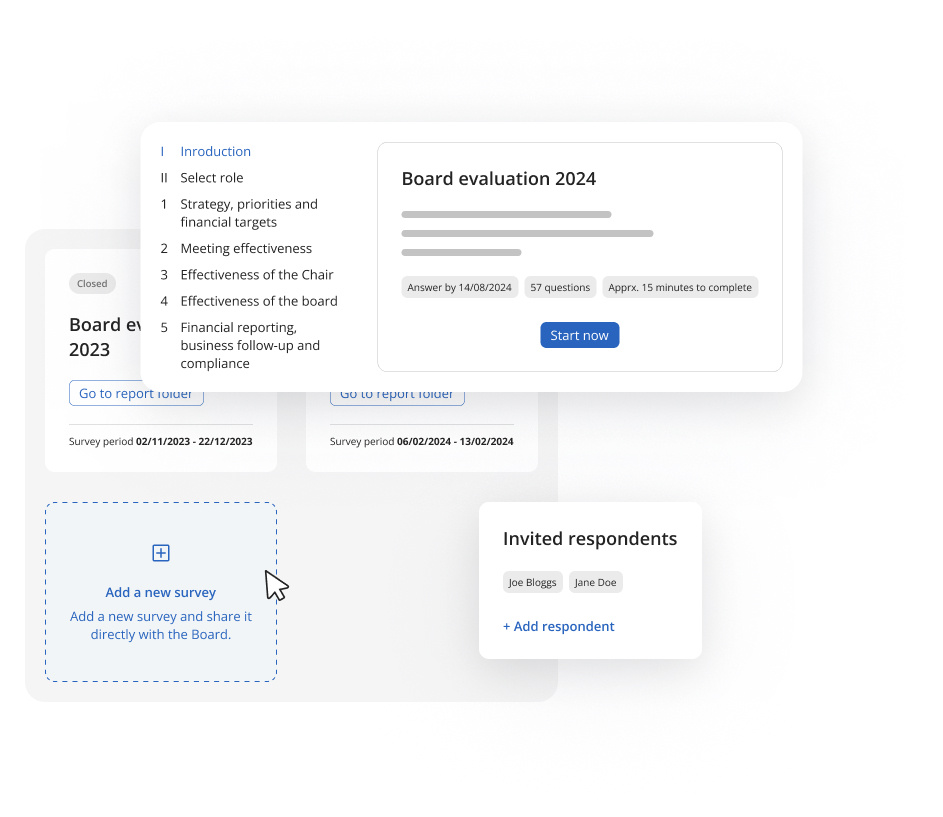
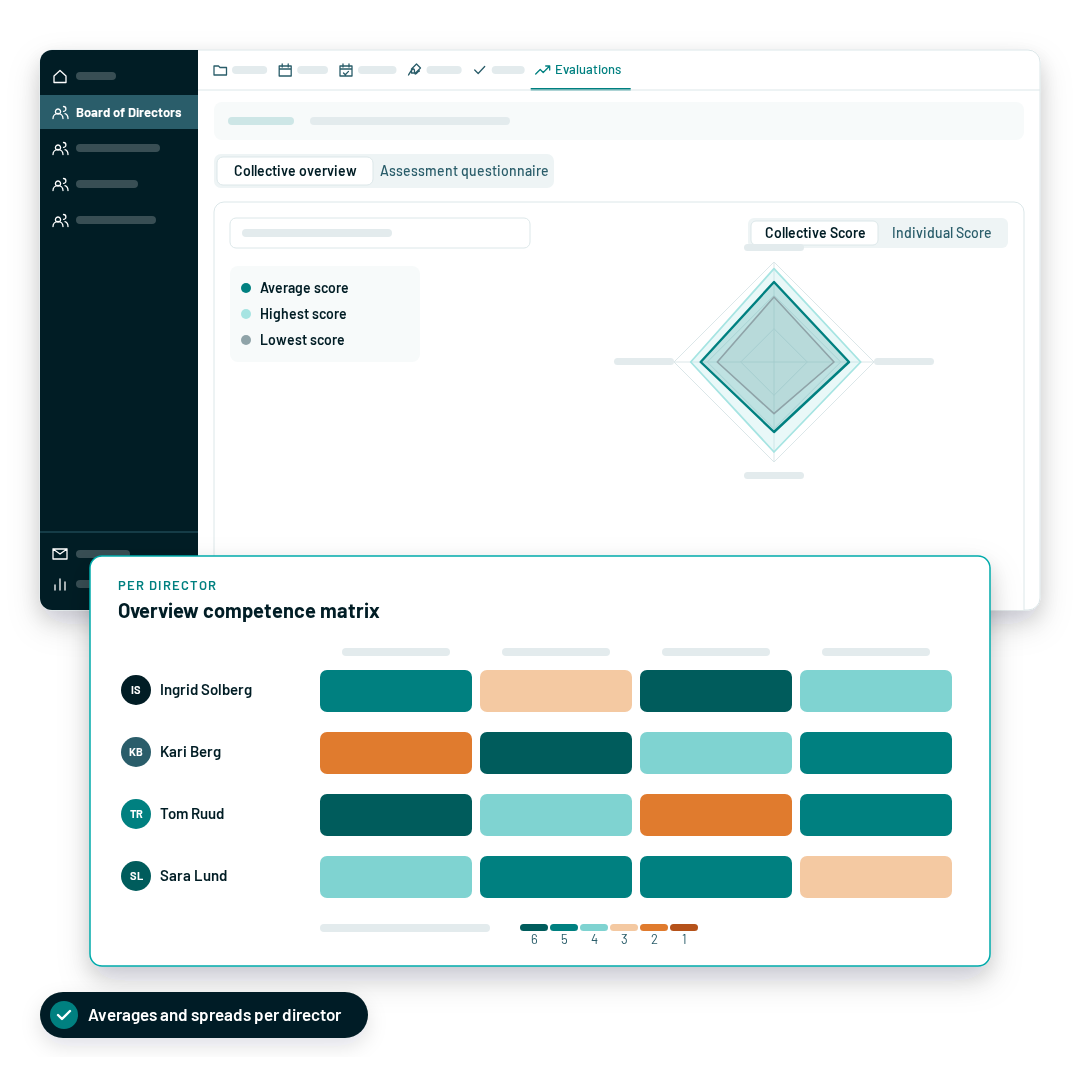
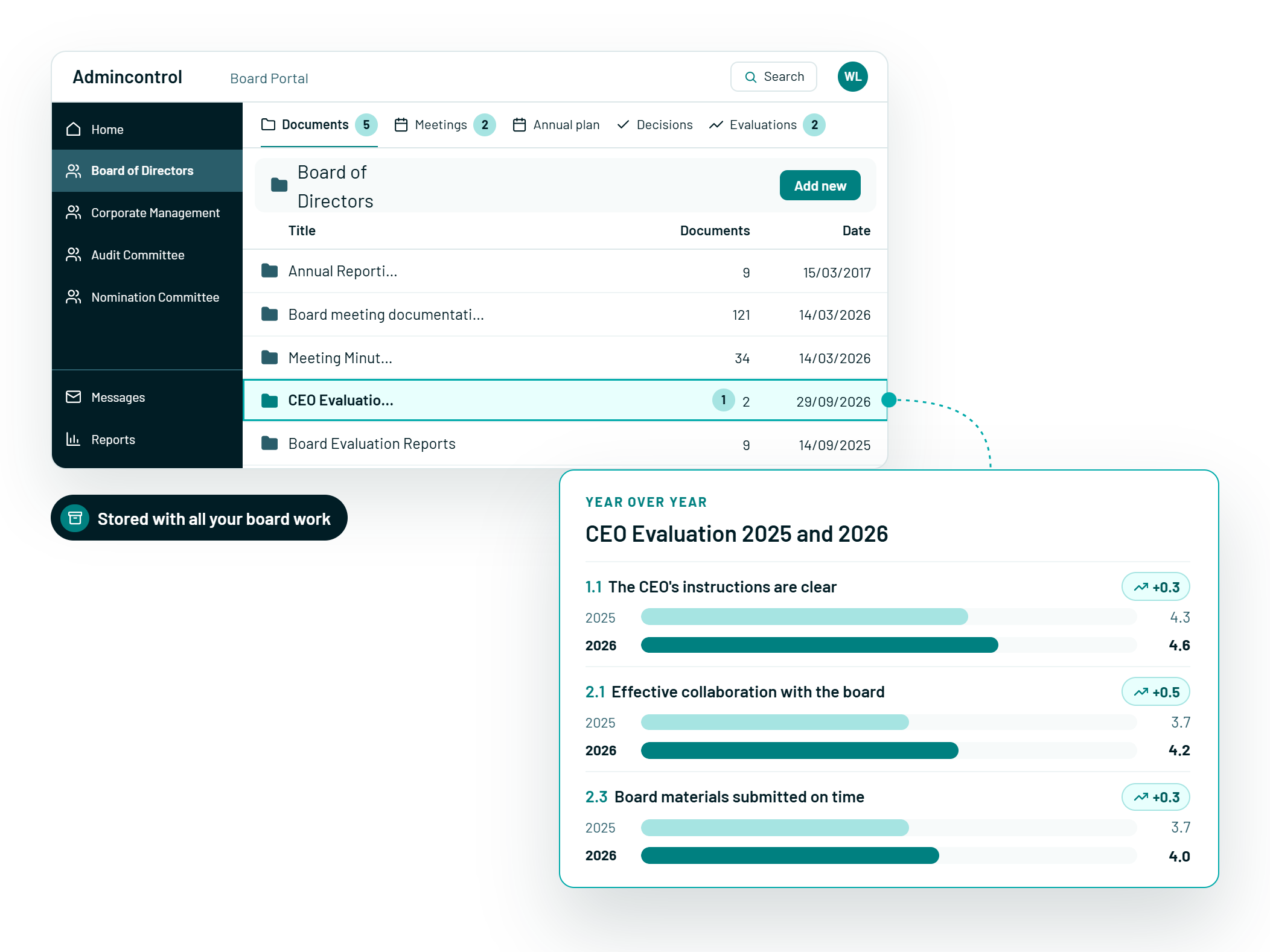
Digital tools make this much easier. With Admincontrol Board Evaluation, boards can distribute surveys, track participation and turn the answers into insights they can act on, and CEO Evaluation applies the same structured approach to the board's assessment of the CEO.
Boards that regularly evaluate their performance, composition and governance processes are among the most effective and efficient
4. Digital tools that remove admin
With directors spending up to 250 hours a year on board work, often across several boards at once, automating routine tasks can make a real difference to efficiency.
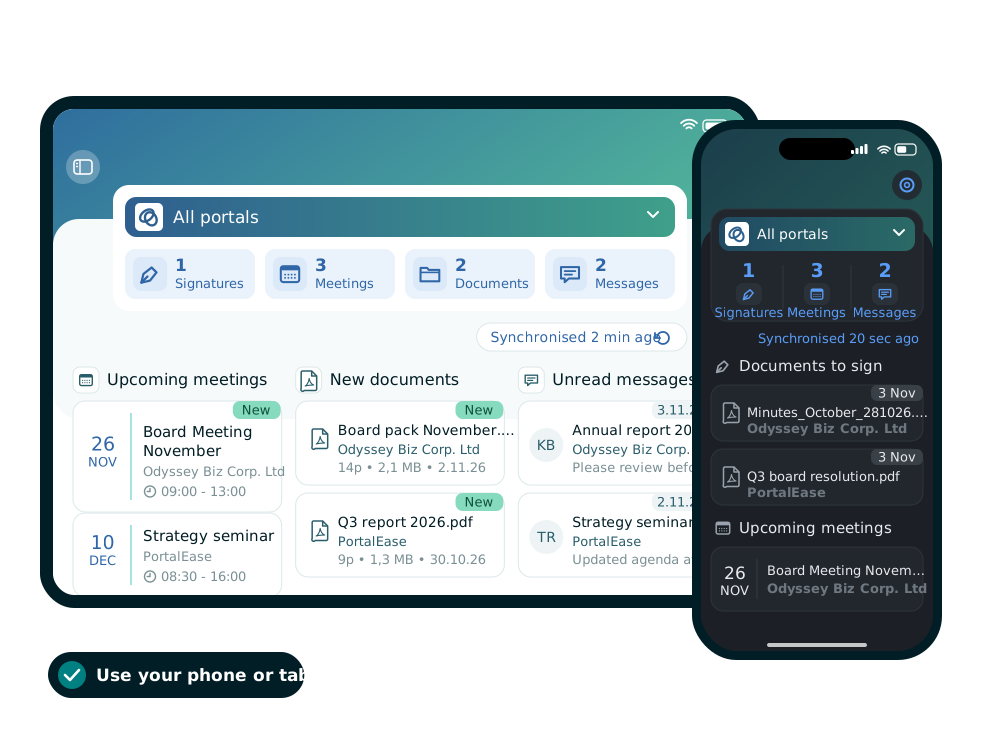
Software designed for board work helps directors do the small things well: sharing documents, preparing agendas, running meetings, collecting signatures and messaging securely. That leaves more time for strategy and less for process. A board portal also keeps confidential board papers in one secure place, available on any device. For a closer look, see 7 things a board portal does that email can't.
Board software and automation tools help directors do the small things well, freeing up time to focus on strategic and operational issues
5. A long-term view on succession
Board effectiveness is not only about getting decisions made and budgets approved. The most dynamic boards look beyond the next agenda and plan ahead for succession and diversity.
Experience matters, and directors may sit on a board for an average of up to nine years. But long tenure can also be a risk, especially for boards trying to become more diverse. In PwC's survey, 60% of executives said long-tenured directors limit diversity efforts, and 53% said long-serving directors hold back performance overall.
The answer is a succession plan that is as much part of the board's strategy as the commercial plan. A proactive approach brings in new perspectives, prevents group-think and provides a contingency if a director leaves suddenly. It should also look for new talent beyond the personal networks of existing directors.
Boards should strive to move up the succession planning maturity continuum toward a strategic approach. A strategic approach delivers benefits to board performance and increases long-term shareholder value
The Road to Strategic Board Succession, PwC & Spencer Stuart
How can a board improve its effectiveness?
- Run a formal board evaluation every year, with an externally facilitated review at regular intervals
- Map directors' skills against the strategy, and close gaps through training or recruitment
- Set clear composition and diversity objectives, and report on progress
- Agree a succession plan for the chair, the CEO and key directors
- Move board work onto a secure board portal so meetings focus on decisions, not paperwork
- Give the board secretary the tools and authority to keep governance on track (see how to be a board secretary)
Frequently asked questions about board effectiveness
What makes an effective board of directors?
An effective board combines the right mix of skills and experience, a diverse composition, a habit of reviewing its own performance, efficient ways of working and a clear succession plan. Above all, it balances driving the business forward with keeping it under prudent control.
How often should a board evaluate its effectiveness?
Good practice is an internal board evaluation every year. Under the UK Corporate Governance Code, the chair of a FTSE 350 company should also commission an externally facilitated board performance review at least every three years. Many boards outside the UK follow a similar cycle.
What is a board effectiveness review?
A board effectiveness review, also called a board evaluation or board performance review, is a structured assessment of how well the board, its committees, the chair and individual directors are performing. It usually combines questionnaires, interviews and a review of board papers, and ends with an action plan.
How does board portal software improve board effectiveness?
A board portal replaces email and paper with one secure workspace for agendas, board packs, minutes, approvals and signatures. Directors spend less time on admin and more on preparation and decisions, and the board keeps a clear, secure record of its work.
In summary
The most effective boards are agile. They adapt to strategic priorities, changing operating environments and rising shareholder expectations, while balancing ambition with prudent control.
The boards that stand out are the ones that regularly step back to examine their own composition, working style and practices, act on feedback from management, employees and shareholders, and plan ahead for succession. As an organisation's needs change, ongoing performance evaluation is what turns good intentions into continuous improvement.
For more on board effectiveness, including working relationships between directors, board secretaries and the c-suite, download The Ultimate Guide to Modern Board Efficiency.